
Frequently Asked Questions
What is Ammolite?
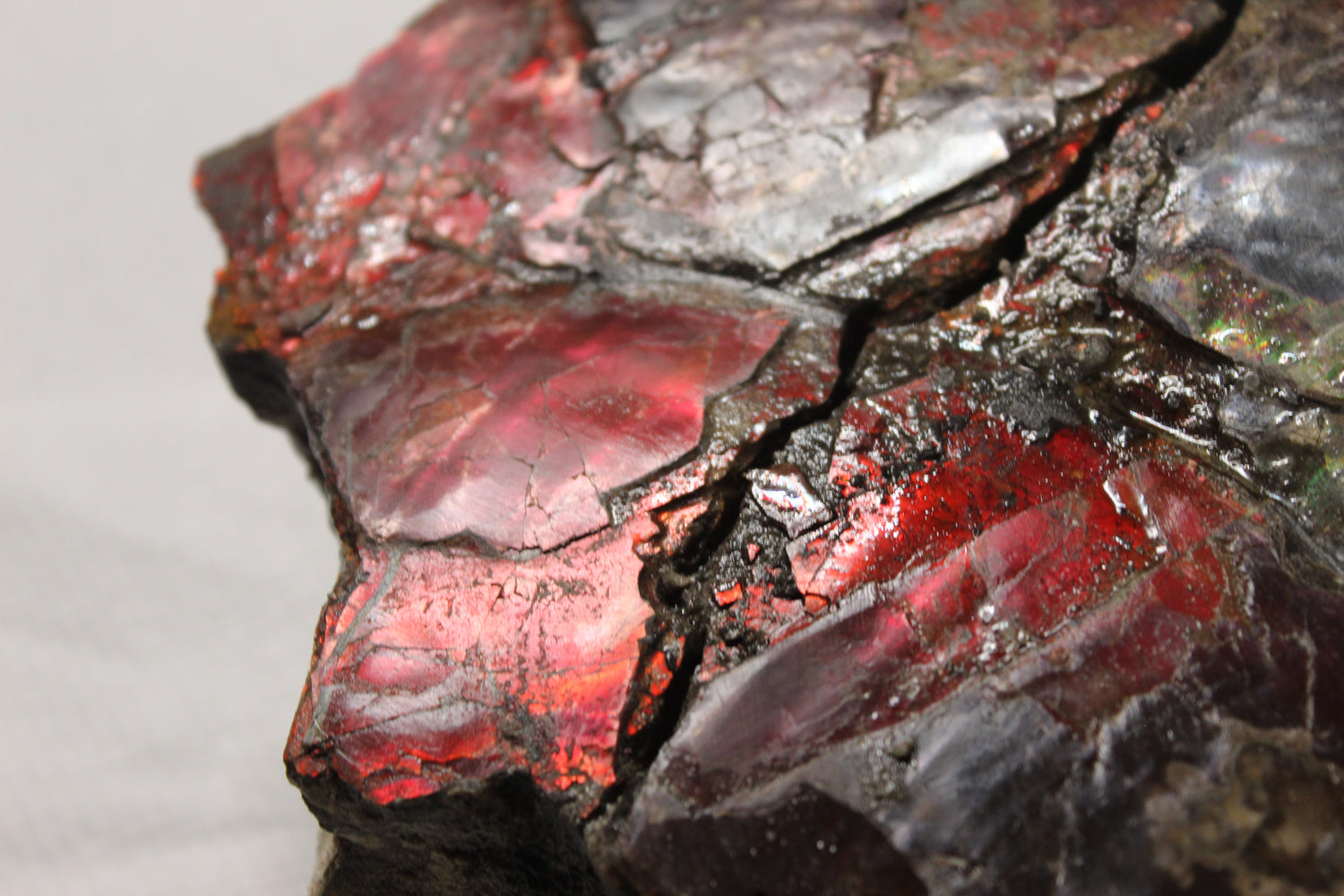
Ammolite is the vibrant biogenic rainbow gemstone composed primarily of aragonite, and received its official gemstone status by the World Jewelry Confederation in 1981.
The name "ammolite" is a combination of the word "ammonite" and "lithos", which is Greek for stone. This gemstone is unique as it comes from the fossilized remains of an ancient species of marine mollusks called ammonites which which lived in the ancient Bearpaw Sea around 70-135 million years ago.
When these animals died, their shells sank to the ocean floor and became buried under layers of sediment. Over a process known as diagenesis, it transformed these animal shells into the beautiful gemstones that we know as ammolite.
What's the difference between Ammonite and Ammolite?
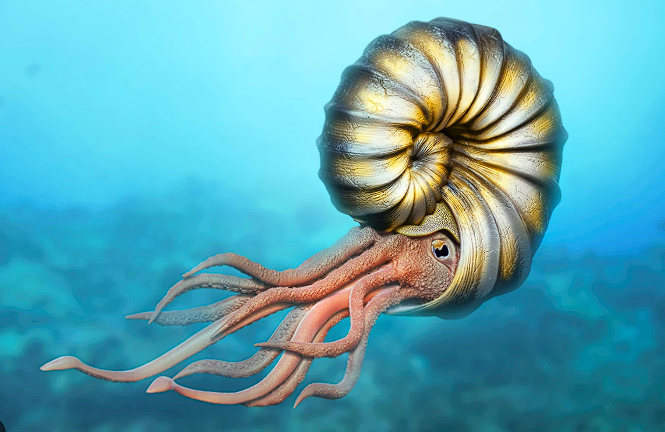
Ammonites are the actual fossils of the marine creatures themselves, whereas ammolite is the iridescent inner layers found inside shells.
Although there are over 30000 types of ammonites found around the world, only the ammonites found along the Bearpaw Formation have been found to reap gem-quality material.
Where is Ammolite Found?
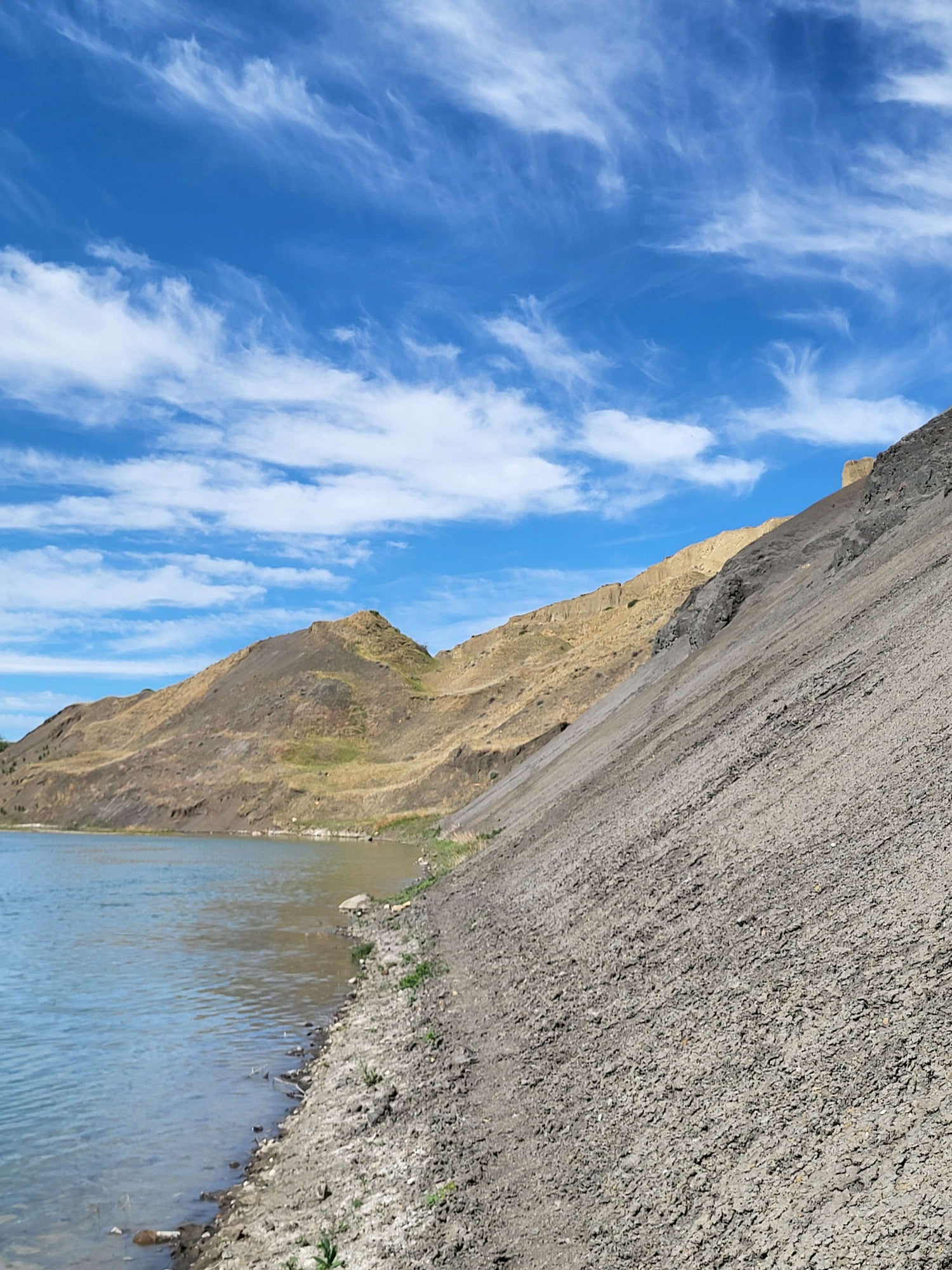
Ammolite is found across the Bearpaw Formation. This was an ancient ocean floor of the Late Cretaceous period containing sediments of Bearpaw Shale. The geological formation runs through Southern Alberta and outcrops Saskatchewan as well as the U.S. state of Montana.
Whole shells and specimens are commonly extracted from siderite concretions which formed around the shell, preserving it from calcification and erosion.

What Makes Ammolite Valuable?
The limited geographic area where gem-quality ammolite can be found is one of the primary reasons for its rarity. It is estimated that only around 5% of ammonite fossils contain suitable gem material, and of those specimens, typically only about 20% of the shell is usable for gemstones.
Working with ammolite is also highly delicate. The thin shell layers are naturally prone to flaking and deterioration without proper stabilization, and the material can easily be over-sanded during processing, resulting in a permanent loss of color and iridescence.

What Makes Ammolite Colourful?
Unlike most other gems, whose colors come from light absorption, the iridescent color of ammolite comes from light rebounding from the multiple layers of aragonite, creating a shift of color depending on the angle it is viewed in.
Red and orange are the most common colors, followed by greens, with blues and purples being the thinnest layers and are the first to become oxidized.
Higher quality Ammolite can yield a monochromatic, dichromatic or specrochromic shift in color. However, to get this level of shine requires hours of tediously flattening the shell layers to bring out the vibrant colors.

Why are There so Many Unique Patterns?
Due to the organic origin and scientific nature of how ammolite is formed, no two pieces of ammolite are the same!
Varying geological conditions during the fossilization process such as the depth, temperature and pressure can cause a significant variation of the aragonite layer distribution. This leads to a wide variation in the gemstones iridescence, patterns and colours.
Sometimes cracks or fractures in the aragonite layers fill in and heal, leading to distinct dragon-skin or mosaic-like patterns in the matrix.

How is Ammolite Graded?
Ammolite is graded based on color, brightness, pattern, coverage, and overall quality of the material. In general, the more vivid and diverse the colors are, the rarer and more valuable the gemstone becomes.
Color rarity:
Red — Most common
Green — Less common
Blue / Purple — Rare
Pinks, magentas, turquoises — Extremely rare
Strong blues, violets, and multi-colored stones are especially prized.
Patterns
Some natural shell patterns are considered more rare and desirable, including: Stained Glass, Dragon Skin, Cobblestone and Floral.
Because ammolite is a natural gemstone, every piece is completely unique in color, pattern, and texture.